This selection shows how I apply editorial judgement, audience data and my research into institutional language to films, visual explainers and digital publishing. My focus in the space pieces is space fluency, so policymakers and other readers can follow how space systems affect life on Earth.
I start with evidence I can verify and organise it around the questions readers need answered. Where analytics are available, I use search and web data to see how far the work reached.
Featured Film47 seconds
The Space Race
#WeNeedToTalkAboutSpace
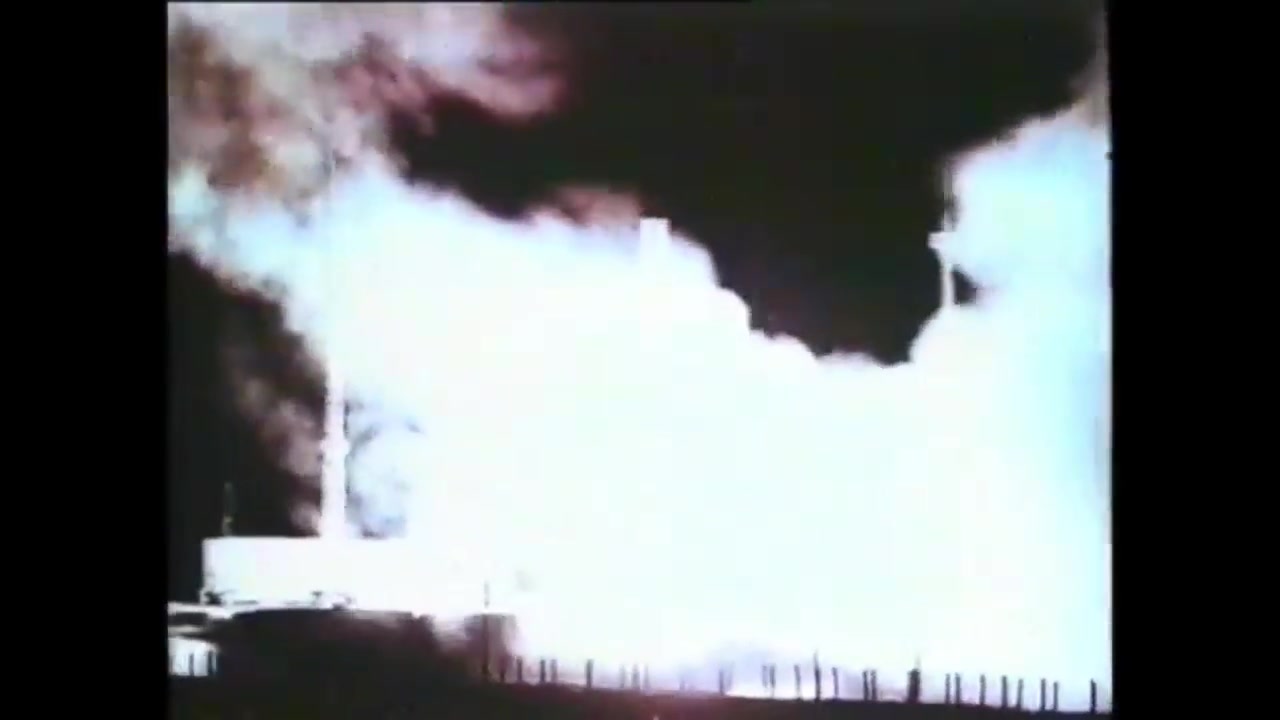
I produced and edited this short film for viewers new to today’s space sector. I used archival and third-party footage to show what public agencies and companies are trying to achieve through their launch and exploration programmes.
Archival launch footage in The Space Race, a short film produced and edited by Hana El Mourad.
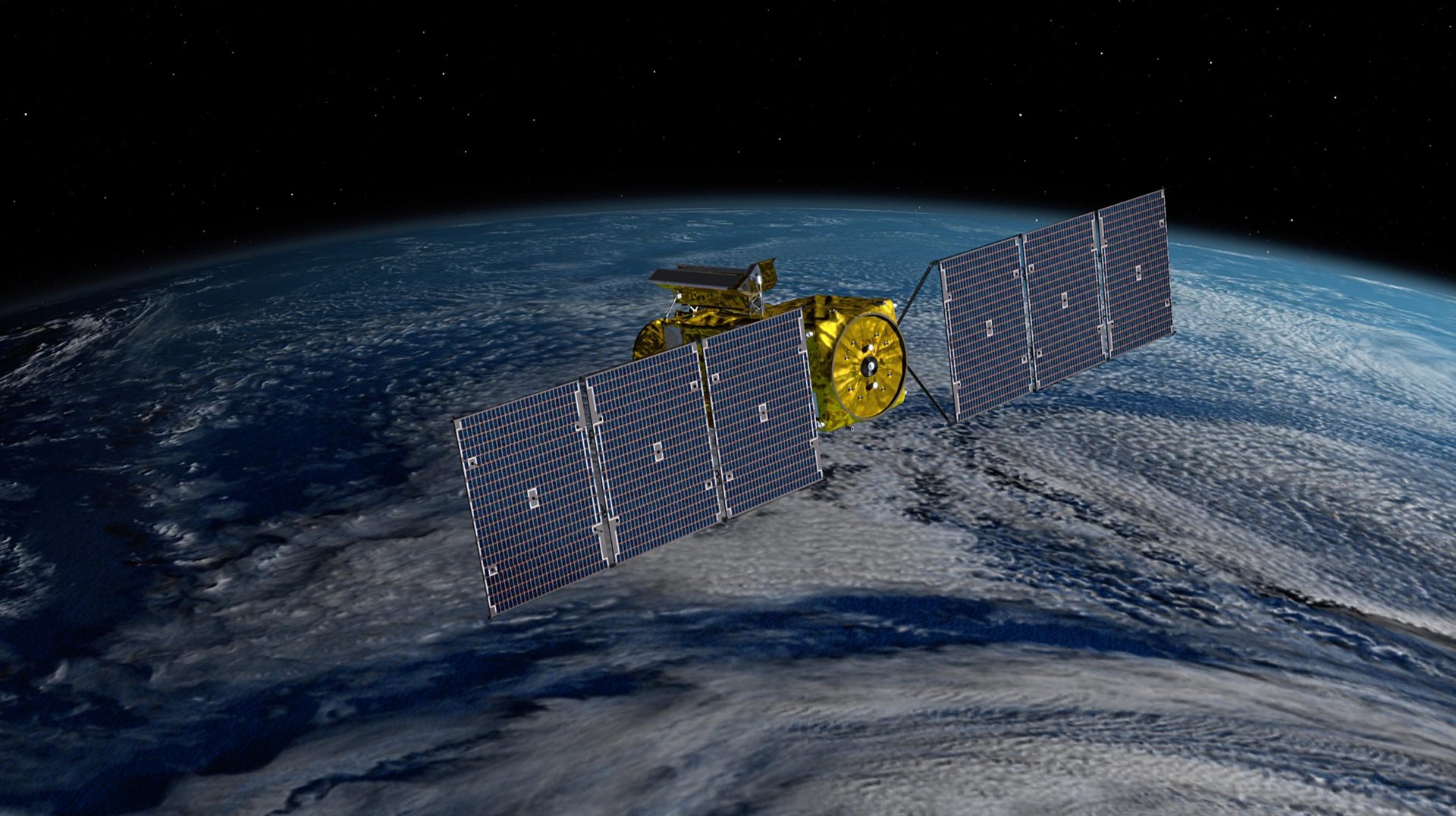
I traced services such as navigation and weather forecasting back to the spacecraft they depend on. An imagined day without satellites shows why orbital debris matters to people who rely on those services.
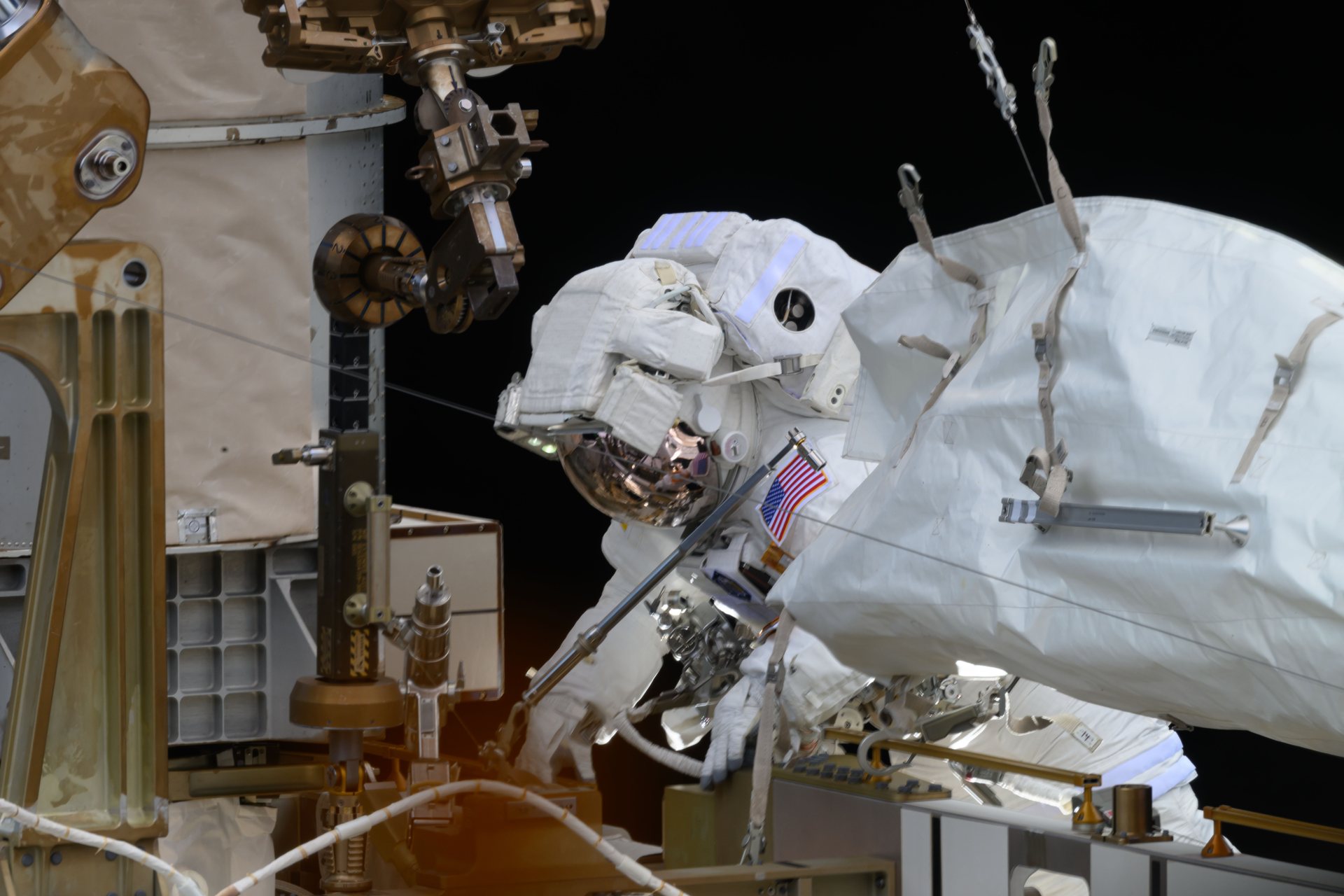
This explainer looks at what happens to astronauts in microgravity. I used changes readers could picture in their own bodies to explain why researchers study how the body adapts to space.
I followed satellite measurements from the atmosphere and oceans into the research scientists use to track changes in the climate. The article also looks at how those observations inform environmental policy.
During my Digital Humanities internship at Zerwaste, I used market research and search data to find out what prospective readers were looking for and where the site could answer their questions. I built an SEO plan and editorial calendar around those findings and used them to plan website articles and social media posts. During the internship, the site recorded more than 12,000 page views and 5,000 unique users.