
Space · Everyday Life
How Many Satellites Does It Take to Get Through an Ordinary Day?
3 min read
From the blue dot on your phone to clocks that keep distant systems in step.
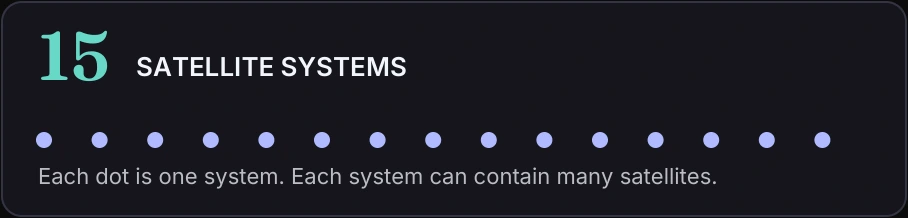
A University of Auckland study traced services a typical New Zealander relies on to 15 satellite systems comprising roughly 7,420 satellites. That figure counts the shared infrastructure behind those services. It describes the scale of the systems rather than the number of satellites one person’s devices connect to in a day.
That Blue Dot on Your Map? It’s Doing Maths.
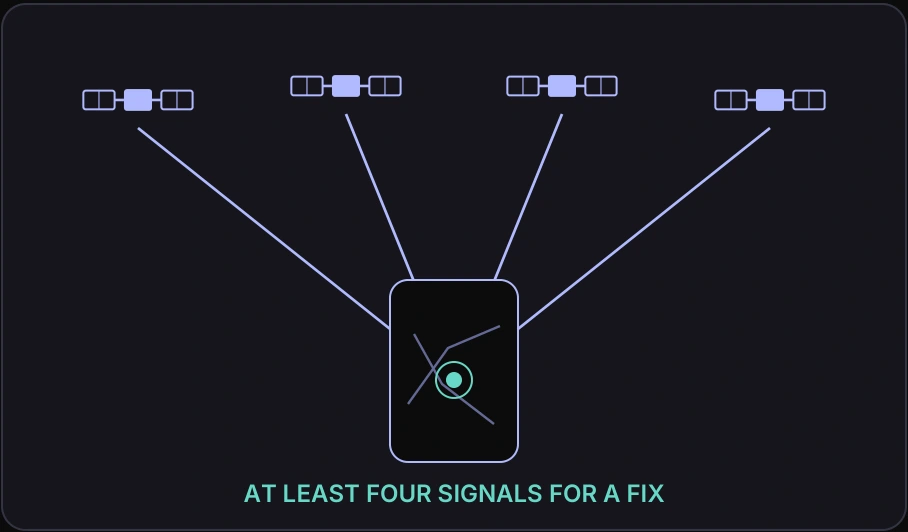
When your phone calculates its position from satellite signals, it typically uses signals from at least four satellites. GPS is one satellite navigation system. Galileo is the European Union’s system. It uses the time the signals took to arrive to calculate its position and account for the error in its own clock.
Will It Rain on Your Way Home?
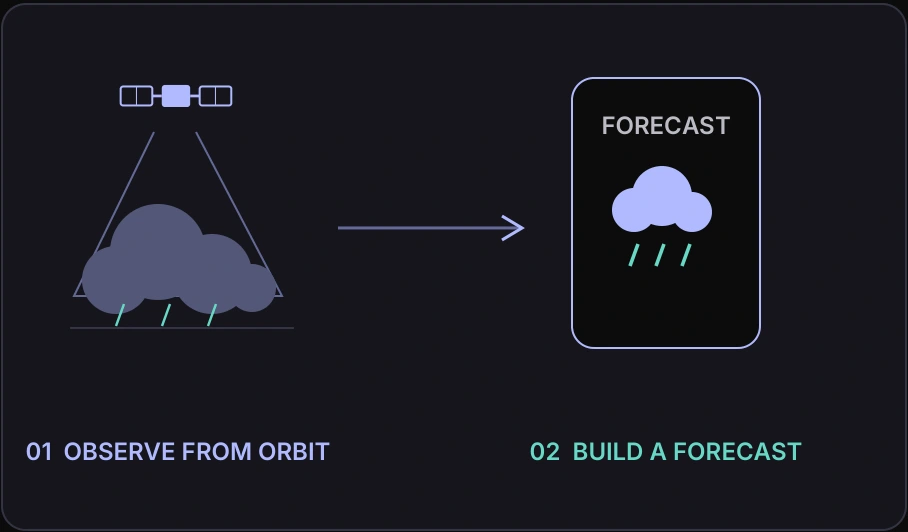
Weather satellites observe clouds and measure conditions in the atmosphere. Forecasters combine these observations with measurements from the ground and other sources to work out what’s coming.
Storm Clouds Can Hide a Flood. Radar Can See Through Them.
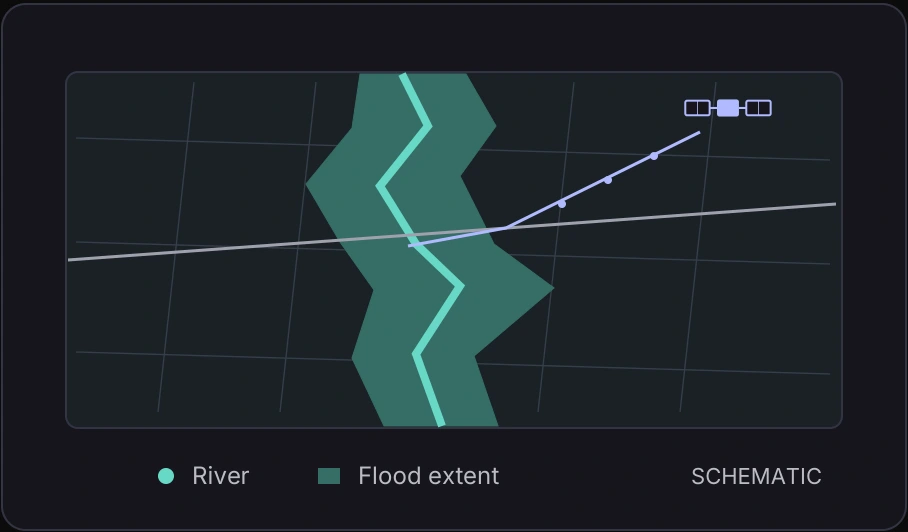
Radar imagery from missions such as Copernicus Sentinel-1 can help emergency teams map where floodwater has spread even under cloud cover. The image records conditions when it was taken, so teams can combine it with current reports to decide where to check next.
How Do You Get Wi-Fi in the Middle of the Ocean?
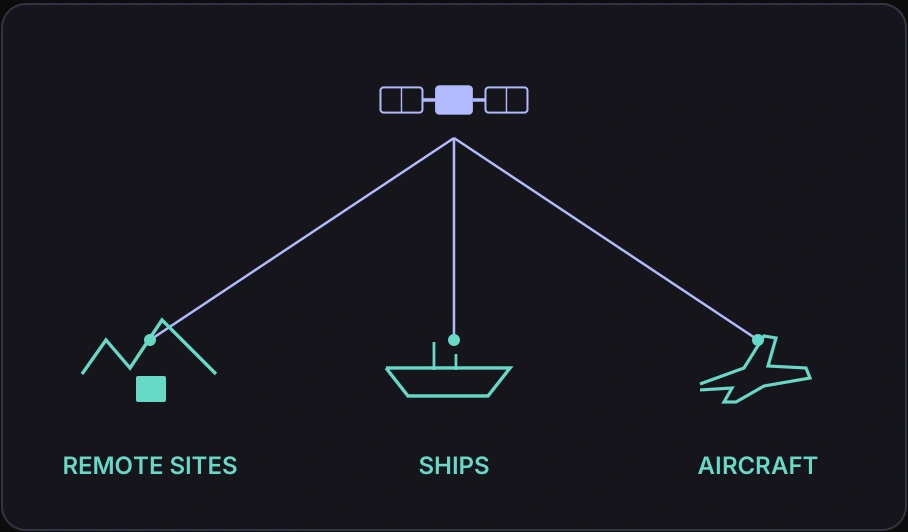
Satellite broadband can connect equipped ships and aircraft, as well as communities beyond the reach of ground networks. A terminal sends and receives data over the satellite link.
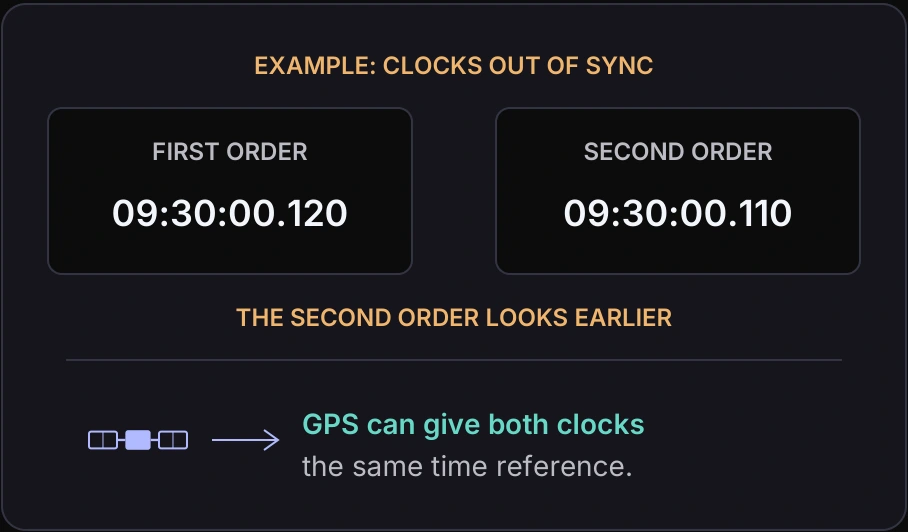
What If Two Stock Exchange Clocks Disagree?
A later order can look as if it arrived first if two systems use clocks that disagree. Some trading systems use GPS timing to compare their timestamps against a common time reference.
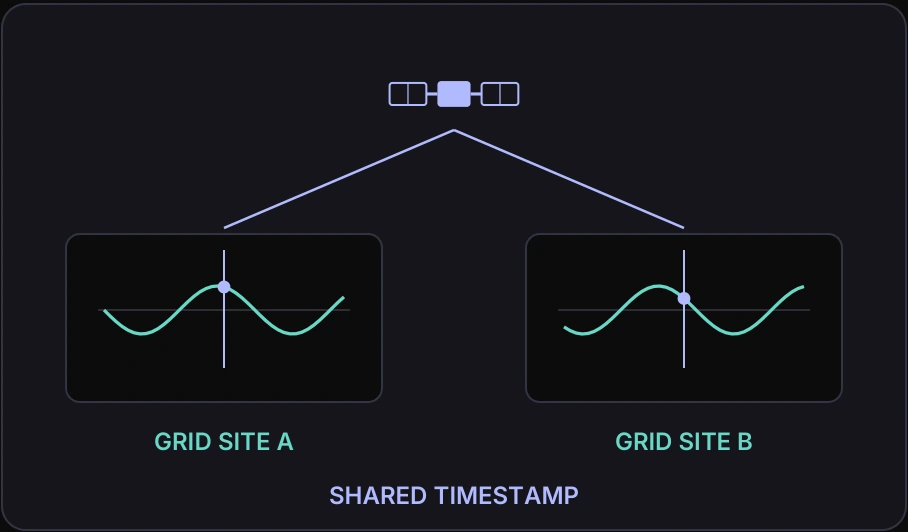
What Do Your Lights Have to Do with Satellites?
GPS gives power grid operators a shared clock. When something goes wrong, they can line up readings from different parts of the grid to help see where it started.
What an Ordinary Day Depends On
The 7,420 satellites in the study belong to the shared systems behind the services it traced. A forecast depends partly on observations from orbit, while a power grid can use a signal from orbit to put readings in the right order. The next time you open a map or check the weather, ask what would still work if the satellite signal or observation disappeared.
Sources
- Stevie Katavich-Barton, University of Auckland, satellite dependence study summary
- European Space Agency and F. Zonno, How Galileo works
- European Space Agency, Satellites in everyday life
- European Space Agency, 10 ways Sentinel-1 data lets us see our world
- Michael A. Lombardi, NIST Technical Note 2189, stock exchanges, PDF p. 38
- Michael A. Lombardi, NIST Technical Note 2189, power grids, PDF p. 45